Safe Operating Techniques for a Forklift

3 March 2024

Forklift Safety Should be Your Priority

Forklift Safe Operating Techniques


Safe operating techniques are essential for forklift drivers to ensure the safety of themselves, their co-workers, and the workplace environment. Forklifts are powerful machines that require skill and attention to operate safely, especially in busy or hazardous environments. Here are some key safe operating techniques that forklift drivers should follow:


Forklift Pre-Operational Checks: Before operating a forklift, it's crucial to conduct pre-operational checks to ensure that the equipment is in proper working condition. This includes inspecting the brakes, steering, tires, lights, horn, and any other essential components. Any defects or issues should be reported and addressed before use.


Wear Seat Belts: Just like in a car, wearing a seat belt in a forklift is essential for safety. Seat belts help prevent the driver from being thrown from the vehicle in the event of a sudden stop or tip-over. It's important for forklift operators to buckle up every time they get behind the wheel.


Maintain Proper Visibility: Forklift operators should ensure they have clear visibility of their surroundings at all times. This includes using mirrors, turning on lights when necessary, and being aware of blind spots. If visibility is obstructed, operators should adjust their position or use a spotter to assist them.


Use Horns and Lights: Forklifts should always be equipped with functioning horns and lights. Operators should use the horn to alert pedestrians and other vehicles of their presence, especially when approaching blind corners or intersections. Lights should be used in low-light conditions to improve visibility.


Drive at a Safe Speed: Forklift operators should adhere to speed limits and drive at a safe speed for the conditions. Driving too fast can make it difficult to stop suddenly or manoeuvre safely, especially in crowded or confined spaces. Operators should reduce speed when navigating corners, ramps, or uneven terrain.


Maintain a Safe Distance: It is important for forklift operators to maintain a safe distance from pedestrians, other vehicles, and fixed objects. This reduces the risk of collisions and allows for better manoeuvrability. Operators should also keep a safe distance from the edge of loading docks or ramps to prevent accidents.


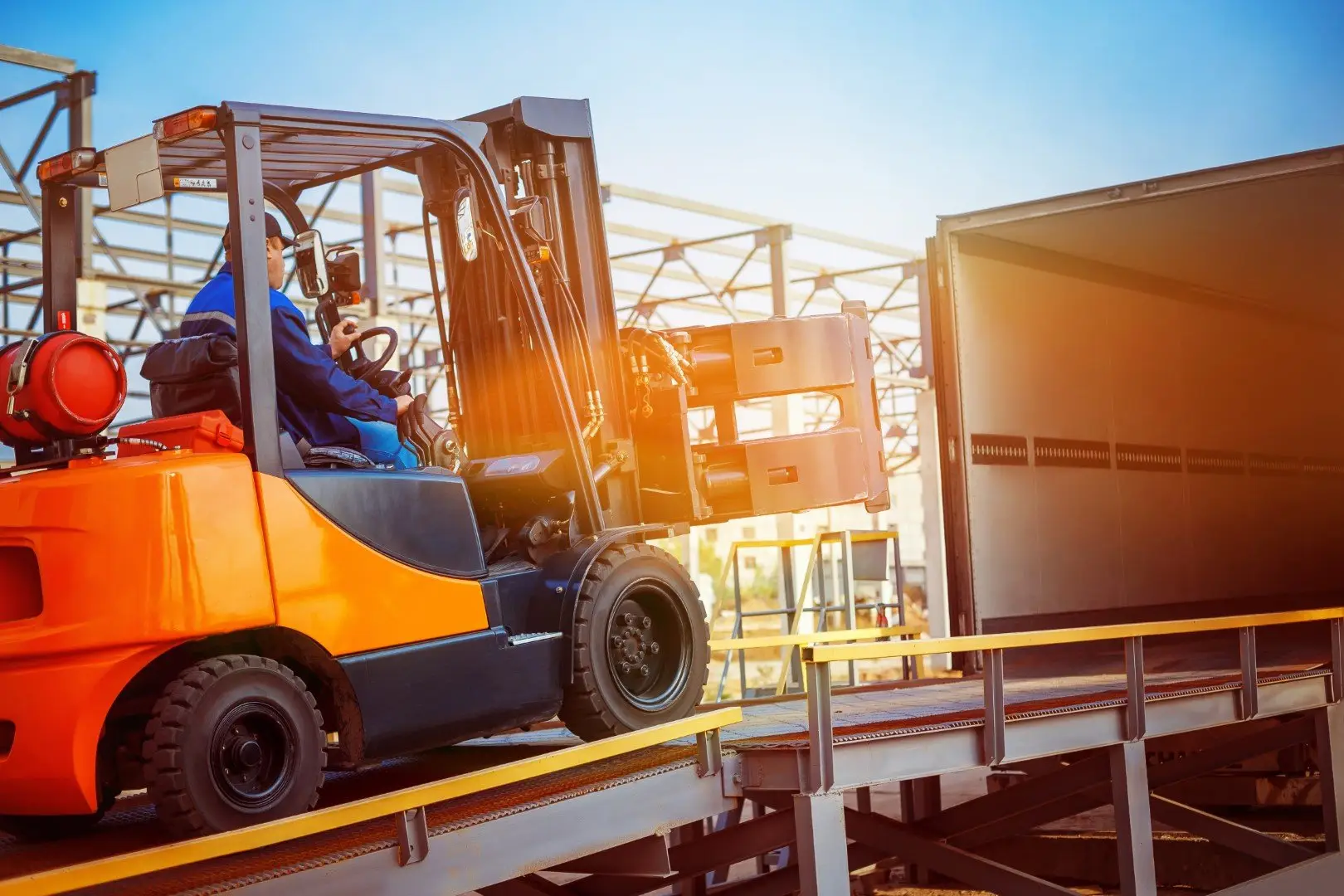
Use Caution on Ramps and Inclines: When driving on ramps or inclined, forklift operators should use extra caution. They should approach ramps at a controlled speed, drive straight up or down whenever possible, and avoid sudden stops or changes in direction. Operators should also be aware of the forklift's load capacity and adjust their driving accordingly.


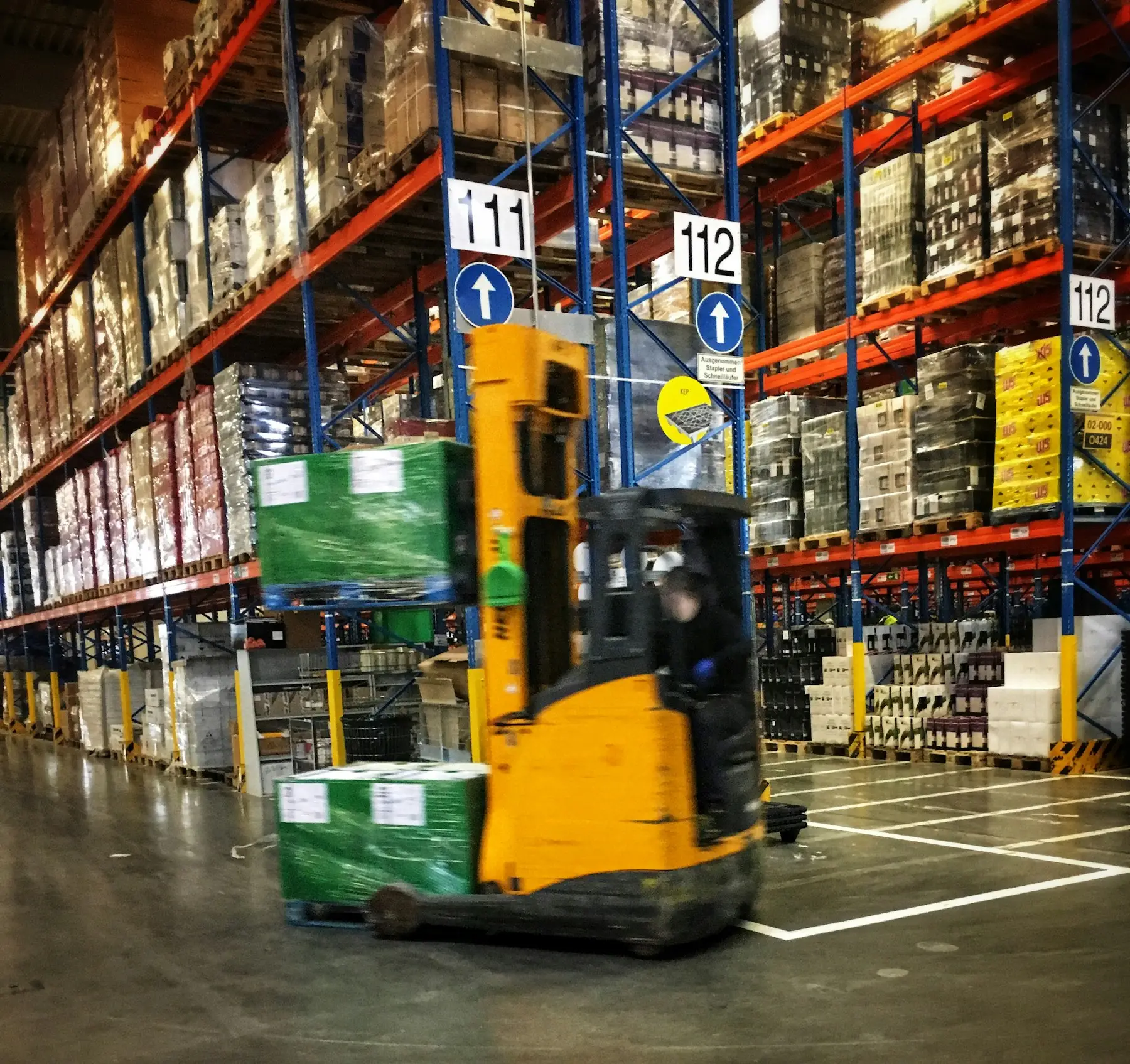
Secure Loads Properly: Before lifting or transporting a load, forklift operators should ensure that it is properly secured and balanced on the forks. Loads should be centred and stable to prevent tipping or shifting during transit. Operators should also be cautious when stacking or unstacking loads to avoid accidents.


Avoid Distractions: Forklift operators should remain focused on the task at hand and avoid distractions while driving. This includes refraining from using mobile phones, eating, drinking, or engaging in other activities that could divert their attention from safe operation.


Follow Safe Forklift Handling Procedures: Proper handling techniques are essential for safe forklift operation. This includes tilting loads back slightly, keeping forks low to the ground, and using the appropriate lifting attachments. Operators should also be mindful of load weight limits and never exceed the forklift's rated capacity.


By following these safe operating techniques, forklift drivers can help prevent accidents, injuries, and damage to equipment or property. Safety should always be the top priority when operating a forklift, and operators should undergo regular training and certification to ensure they have the skills and knowledge needed to operate the equipment safely.


Forklift Equipment Maintenance and Inspection


Proper equipment maintenance and inspection are crucial aspects of ensuring the safe and efficient operation of forklifts in the workplace. Regular maintenance and thorough inspections help identify potential issues before they escalate into safety hazards or equipment failures. Here are some key considerations for equipment maintenance and inspection of a forklift:


Scheduled Maintenance: Forklift manufacturers typically provide guidelines for scheduled maintenance tasks, including routine servicing, fluid checks, and component replacements. It's essential for employers to establish a maintenance schedule and adhere to manufacturer recommendations to keep forklifts in optimal condition.


Routine Inspections: Conducting routine inspections before each shift or use is essential for identifying any visible defects or malfunctions that may affect the forklift's operation. Operators should inspect key components such as brakes, tyres, steering, lights, hydraulics, and safety features to ensure they are functioning correctly.


Pre-Operational Checks: Before operating a forklift, operators should perform pre-operational checks to verify that the equipment is safe to use. This includes checking fluid levels, inspecting tyres for damage or wear, testing brakes and steering responsiveness, and ensuring all safety features are operational.


Fluid Checks and Refills: Regular checks and refills of fluids such as engine oil, hydraulic fluid, coolant, and brake fluid are essential for maintaining the proper functioning of the forklift's components. Low or contaminated fluid levels can lead to equipment damage or malfunction, so it's crucial to monitor and replenish fluids as needed.


Lubrication: Proper lubrication of moving parts is essential for preventing excessive wear and tear and ensuring smooth operation of the forklift. Operators should regularly lubricate components such as bearings, chains, pivots, and linkages according to manufacturer recommendations.


Battery Maintenance: If the forklift is powered by a battery, regular battery maintenance is essential for optimal performance and longevity. This includes checking battery electrolyte levels, cleaning terminals, inspecting cables for damage, and monitoring charging cycles to prevent overcharging or undercharging.


Tyre Maintenance: Tires play a critical role in forklift safety and performance, so it's essential to inspect them regularly for signs of wear, damage, or improper inflation. Worn or damaged tires should be replaced promptly to prevent accidents and ensure proper traction and stability.


Brake Inspection and Adjustment: Brakes are a critical safety feature of forklifts, so it's essential to inspect and test them regularly for proper functioning. Operators should check brake pads, drums, and hydraulic systems for signs of wear or damage and adjust brakes as needed to maintain optimal performance.


Steering and Suspension: Steering and suspension components should be inspected regularly for signs of wear, looseness, or damage. Proper steering and suspension are essential for manoeuvrability and stability, so any issues should be addressed promptly to prevent accidents or equipment failure.


Documentation and Record-Keeping: Keeping detailed records of maintenance activities, inspections, repairs, and replacements is essential for compliance with regulatory requirements and tracking the forklift's maintenance history. Employers should maintain accurate records and documentation of all maintenance tasks performed on forklifts in the workplace.


By prioritising equipment maintenance and inspection, employers can ensure that forklifts remain in safe and reliable condition, minimising the risk of accidents, injuries, and downtime. Regular maintenance and thorough inspections are essential components of a comprehensive forklift safety program, contributing to a culture of safety in the workplace.


Forklift Operator Training and Certification


Operator training and certification are critical components of forklift safety programs, ensuring that operators have the necessary knowledge, skills, and competency to operate forklifts safely and effectively. Here's why operator training and certification are essential:


Forklift Safety: Proper training equips operators with the knowledge of forklift safety procedures, including how to navigate ramps and inclines, handle loads safely, and identify potential hazards. This reduces the risk of accidents, injuries, and property damage in the workplace.


Compliance: Many jurisdictions require forklift operators to undergo formal training and certification to comply with regulatory standards and occupational health and safety requirements. Employers must ensure that their operators are trained and certified to operate forklifts legally.


Forklift Skill Development: Operator training programs cover essential topics such as forklift operation, load handling techniques, equipment maintenance, and emergency procedures. Through hands-on training and instruction, operators develop the skills and confidence needed to perform their duties safely and efficiently.


Forklift Operation Risk Management: Properly trained operators are better equipped to assess risks, identify potential hazards, and implement appropriate control measures to mitigate safety risks in the workplace. This helps create a safer work environment for all employees.


Increased Productivity: Well-trained operators are more efficient and productive in their job roles, leading to improved workflow and operational efficiency. By following safe operating practices, operators can minimise downtime caused by accidents, equipment damage, or injuries.


Overall, operator training and certification play a crucial role in promoting forklift safety, regulatory compliance, skill development, risk management, and productivity in the workplace. Employers should invest in comprehensive training programs and ensure that all forklift operators receive proper certification to uphold safety standards and protect the well-being of their employees.


Comprehensive Forklift Training Program


Comprehensive training programs for forklift licensing are designed to equip operators with the knowledge, skills, and competency required to operate forklifts safely and effectively in the workplace. These programs cover a wide range of essential topics, including:


Forklift Operation: Training programs provide instruction on the proper operation of forklifts, including controls, steering, acceleration, and braking techniques. Operators learn how to manoeuvre forklifts in various environments, such as warehouses, construction sites, and loading docks.


Forklift Load Handling Techniques: Operators are taught how to handle loads safely, including proper loading and unloading procedures, load stability principles, and weight distribution techniques. They learn how to assess load characteristics and determine the appropriate lifting attachments for different types of loads.


Safety Procedures: Forklift training programs emphasise the importance of safety in all aspects of operation. Operators learn how to identify potential hazards, implement safety measures, and respond to emergencies effectively. This includes training on forklift safety features, such as seat belts, horns, lights, and backup alarms.


Equipment Maintenance: Training programs cover basic maintenance tasks and inspection procedures to ensure forklifts are kept in optimal condition. Operators learn how to conduct pre-operational checks, perform routine maintenance tasks, and identify signs of equipment malfunction or wear.


Regulatory Compliance: Training programs provide operators with an understanding of relevant regulations, standards, and industry best practices governing forklift operation. This includes instruction on forklift licensing requirements, workplace health and safety regulations, and employer responsibilities.


Comprehensive training programs for forklift licensing typically involve a combination of classroom instruction, hands-on practical training, and assessment to ensure operators have the knowledge and skills needed to operate forklifts safely and comply with regulatory requirements. These programs play a crucial role in promoting workplace safety, reducing the risk of accidents and injuries, and ensuring the efficient operation of forklifts in various work environments.


For the best Forklift Training Course in Brisbane focusing on forklift safety go to EDB Training Services at Capalaba. Your Safety is our priority.


22 April 2026
Can You Fail a Forklift Licence Course in Queensland? If you’re thinking about enrolling in a forklift course, one of the most common questions we hear is: “Can I actually fail the forklift licence?” The short answer is yes—but it’s not something you need to worry about if you’re properly prepared and trained. At EDB Training Services, we’ve been delivering forklift training in Queensland for many years, and we design our courses to help you succeed. Understanding how the process works—and what assessors are looking for—can make a big difference to your confidence and performance on the day. Understanding the Forklift Licence Process in Queensland To legally operate a forklift in Queensland, you must obtain a High Risk Work Licence (LF class). This involves completing a formal training course with a Registered Training Organisation (RTO) like EDB Training Services, followed by an assessment conducted by a licensed assessor. The course typically includes: Theory training (safety, legislation, load handling) Practical training (operating the forklift) A formal assessment (knowledge + practical demonstration) It’s important to understand that the assessment is not designed to trick you—it’s there to ensure you can operate a forklift safely and competently in a real workplace. Yes, You Can Fail—But Here’s the Real ity While it is possible to fail a forklift licence course, most students who actively participate in training and listen to their trainer pass successfully. Failures usually occur for one of three reasons:  Lack of preparation Unsafe operation during assessment Not understanding the theory component The key point is this: the system is designed to support learning. If you don’t meet the required standard on your first attempt, you’re typically given feedback and an opportunity to improve. What Are You Assessed On? The forklift licence assessment is broken into two main parts: theory and practical. 1. Theory Assessment This is usually a written or verbal test that covers: Workplace health and safety requirements Hazard identification Load stability principles Safe operating procedures You don’t need to be an academic to pass this section. The content is covered during your training, and our trainers make sure you understand it before moving forward. 2. Practical Assessment This is where you demonstrate your ability to safely operate a forklift. You’ll be assessed on tasks such as: Conducting a pre-operational inspection Starting and shutting down the forklift correctly Picking up, moving, and placing loads Maintaining control and awareness at all times Assessors are looking for safe, controlled operation , not speed or perfection. Common Reasons People Fail the Forklift Assessment Understanding what can go wrong is one of the best ways to avoid it. Here are the most common reasons students don’t pass on their first attempt. Unsafe Driving Practices This is the biggest one. If you operate the forklift in a way that could cause harm—such as driving too fast, not checking surroundings, or mishandling a load—you may be stopped immediately. Poor Load Handling Incorrectly lifting, tilting, or placing a load can lead to failure. Load stability is a critical part of forklift operation. Skipping Safety Checks Failing to complete a proper pre-start inspection or ignoring safety procedures can result in not meeting the required standard. Lack of Confidence Some students actually know what to do but become nervous during the assessment. This can lead to hesitation or mistakes. Not Understanding Instructions Misinterpreting what the assessor is asking can impact your performance. Listening carefully is key. How to Make Sure You Pass First Time The good news is that passing your forklift licence is very achievable if you take the right approach. 1. Choose the Right Training Provider Training quality matters. At EDB Training Services, we focus on practical, easy-to-understand instruction so you feel prepared before assessment day. 2. Ask Questions During Training If you’re unsure about anything, ask. It’s far better to clarify during training than guess during the assessment. 3. Take Safety Seriously Everything comes back to safety. If you focus on operating the forklift safely, you’re already on the right track. 4. Stay Calm During the Assessment Nerves are normal, but try to treat the assessment like another training session. You’ve already practised the tasks. 5. Follow the Process Step-by-Step Don’t rush. Assessors are looking for control and consistency, not speed. What Happens If You Do Fail? Failing isn’t the end of the road—it’s simply part of the learning process for some students. If you don’t pass: You’ll receive feedback on what went wrong You may be given additional training You can reattempt the assessment At EDB Training Services, we work with you to ensure you understand what needs improvement so you can succeed on your next attempt. Is the Forklift Course Difficult? For most people, the course is very manageable. You don’t need prior experience, and everything is taught from the ground up. The course is designed for beginners, which means: No previous forklift experience is required Training is structured step-by-step You get hands-on practice before assessment As long as you’re willing to learn and follow instructions, there’s no reason you can’t pass. Why the Assessment Standards Matter It’s worth remembering that forklift operation carries real risks if done incorrectly. The assessment exists to ensure that anyone operating a forklift can do so safely in a workplace environment. By maintaining these standards, employers can trust that licensed operators: Understand workplace safety requirements Can handle loads correctly Are aware of their surroundings Reduce the risk of accidents This is why assessors take safety so seriously—and why your training is focused on building those habits. The Role of Training in Your Success Your success in the forklift licence assessment is heavily influenced by the quality of your training. At EDB Training Services, we: Break down each task into simple steps Provide hands-on practice in a controlled environment Give clear, practical feedback Ensure you are ready before assessment Our goal is not just to get you through the course, but to help you become a safe and confident operator. Yes, you can fail a forklift licence course in Queensland—but for most students, it’s completely avoidable. With the right training, preparation, and mindset, passing your assessment is very achievable. The key is to focus on safety, listen to your trainer, and approach the assessment with confidence. Remember, the process is designed to support you, not catch you out. If you’re considering getting your forklift licence, we’re here to guide you every step of the way. With experienced trainers, practical instruction, and a strong focus on real-world skills, we help you build the confidence needed to succeed—not just in the assessment, but in the workplace as well.
23 March 2026
Find out how to get your forklift licence funded in Queensland. EDB Training Services explains the Career Start program, employer funding options, and how Certificate III in Supply Chain Operations can cover your costs.
by Justine Barber 8 September 2025
Ensure Safety is Number 1 With a Daily EWP Check
by Justine Barber 9 June 2025
Increase Your Knowledge About Getting a White Card in QLD
by Justine Barber 25 April 2025
Improve Your Knowledge About Getting a White Card in Brisbane
by Justine Barber 8 April 2025
Don't Forget Your White Card for Your Next Construction Job
by Justine Barber 7 April 2025
This is a subtitle for your new post
by Justine Barber 31 March 2025
Improve Your Construction Industry Safety Knowledge
by Justine Barber 18 November 2024
Everything you need to know about how to keep your forklift load stable and create a safe working environment.
by Justine Barber 19 September 2024
All Your White Card Queensland Questions Answered Here