EWP
Who Needs an EWP Ticket in Queensland?
Who legally needs to hold an EWP ticket to operate a scissor lift or boom-type platform, how that differs from a High Risk Work licence, and how long it lasts.
Reviewed for practical accuracy
Prepared by EDB Training Services, a nationally recognised Registered Training Organisation in Capalaba, Brisbane (RTO 32376).
If your job puts you on a scissor lift or a boom-type elevated work platform, you need a ticket for it. The requirement applies from the first time you operate the machine, not after you’ve built up some experience on the job.
Do you need a ticket to operate any EWP?
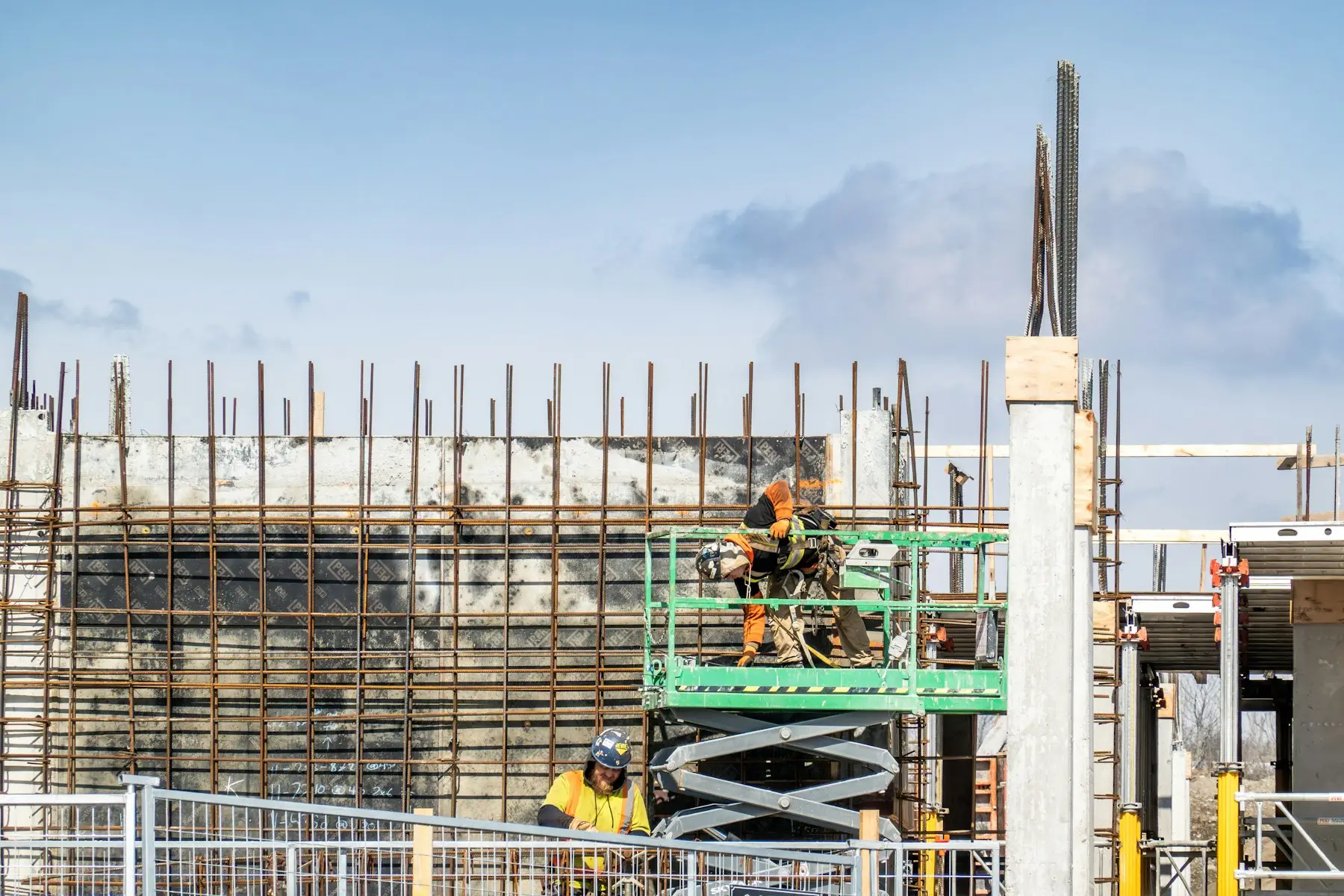
Yes. Anyone operating a scissor lift or a boom-type EWP under 11 metres must hold a nationally recognised EWP ticket, issued by a registered training organisation against unit RIIHAN301E. This covers the platforms most sites actually use day to day: scissor lifts for warehouse and retrofit work, and smaller boom lifts for trades and maintenance.
How is that different from a WP licence?
A boom-type EWP with the capacity to reach 11 metres or more needs a separate High Risk Work “WP” licence (TLILIC0005) issued by WorkSafe Queensland. See WorkSafe’s boom-type EWP licensing page for the full definition. This applies based on what the machine can reach, not how far you actually extend it on the day. EDB delivers the Over 11m licence course on-site only, using your workplace’s own machine, rather than at our Capalaba training centre. Call us to arrange it. See our guide to EWP certification requirements if you are not sure which pathway applies to your machine.
Which roles typically need a ticket?
- Warehouse and logistics staff doing order picking or stock work at height
- Construction and trades workers using EWPs for access
- Facilities and maintenance staff (signage, lighting, high cleaning)
- Event and venue crews setting up rigging or stage equipment
If operating an EWP is part of your role at all, your employer needs you ticketed before you get on the machine, not after an incident makes it obvious.
How long does the ticket last?
The standard EWP ticket doesn’t carry a legislated expiry date. It’s a Statement of Attainment for RIIHAN301E, not a WorkSafe-issued licence, so nothing forces a renewal after a set number of years. In practice, many sites still expect to see training completed within the last five years before they’ll let you operate, so it’s worth refreshing if yours is older than that. That’s different from the WP licence over 11 metres, which genuinely does expire every five years because WorkSafe issues and tracks it directly.
Is holding the ticket enough on its own?
The ticket proves you were trained and assessed as competent. It does not replace the site-specific checks that come after: a documented daily pre-use inspection before every shift, and any induction the site itself requires. Employers carry an ongoing duty to make sure operators stay competent on the actual machine they are using, not just on the ticket they were issued.
Not sure whether your job needs the standard ticket or the higher WP licence? Talk to our trainers before you book and we will point you at the right course.
Ready to turn the reading into practical training?
Check course details, upcoming dates and what to bring. If you are booking for a team, call us and we will help with the right training option.