Working at Heights
Who Needs a Working at Heights Ticket in Queensland?
Who needs Working at Heights training (RIIWHS204) in Queensland, what the law actually requires of employers, which jobs commonly ask for it and how it fits with a White Card or EWP ticket.
Reviewed for practical accuracy
Prepared by EDB Training Services, a nationally recognised Registered Training Organisation in Capalaba, Brisbane (RTO 32376).
“Do I need a Working at Heights ticket?” usually comes up the week before a new job starts, when a site induction or head contractor asks for one. The honest answer has two parts: what the law requires, and what sites require. They aren’t the same thing, and the gap between them catches a lot of people out.
Is a Working at Heights ticket a legal requirement in Queensland?
Not by name. No Queensland law says every worker must hold RIIWHS204 (Work Safely at Heights). What the law does require is that a business manages the risk of anyone falling from one level to another, and makes sure workers exposed to that risk are trained and competent for the job.
Part 4.4 of the Work Health and Safety Regulation 2011 sets out those fall-risk obligations, and WorkSafe Queensland’s work at heights guidance explains how they apply. A Statement of Attainment for RIIWHS204 is the nationally recognised way to show that training has been done. That’s why so many employers and head contractors ask for it before you start, even though no statute uses the words “Working at Heights ticket”.
What counts as working at height?
More than most people expect. The risk WorkSafe describes is any fall from one level to another, which includes working:
- on a roof, platform, ladder or other structure used to reach an elevated level
- near an edge you could fall over, or an opening you could fall through
- on or near a surface you could fall through, such as a skylight or brittle roof sheeting
- on a slippery, sloping or unstable surface
- near ground-level holes such as trenches, openings and service pits
There’s no minimum height below which the duty disappears. In construction, a risk of falling more than 2 metres triggers a safe work method statement (SWMS) and specific control measures, but WorkSafe is clear that lower falls may still need controls depending on the risk assessment.
Which jobs usually need Working at Heights training?
If any part of your week puts you somewhere you could fall from, expect to be asked for it. Common examples:
- Construction trades: roofers, carpenters, electricians, plumbers, painters and plasterers
- Solar, air conditioning and antenna installers
- Facilities and maintenance staff changing lights, signage or gutters
- Warehouse workers accessing racking, mezzanines or truck decks
- Window cleaners, building maintenance crews and telecommunications technicians
- Event and stage crews working on rigging or temporary structures
Falls from trucks are a known problem in transport and logistics too, and WorkSafe publishes specific guidance on preventing them. Working at height isn’t limited to building sites.
Does a White Card cover working at heights?
No. A White Card (CPCWHS1001) is the general safety induction for anyone doing construction work, and it doesn’t train you to manage fall risks. Many construction workers end up holding both. Our explainer on White Card vs Working at Heights vs EWP sets out what each one covers and when you need which.
Do I also need an EWP ticket?
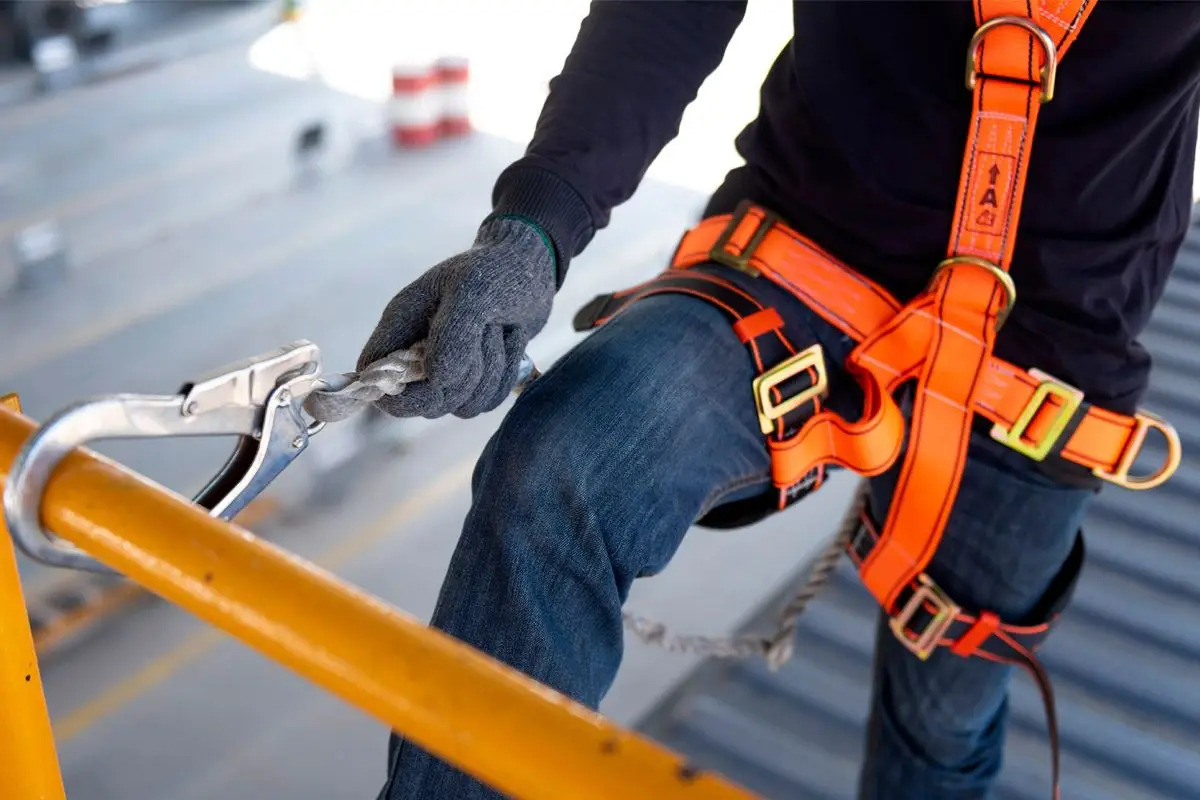
Only if you operate an elevating work platform such as a scissor lift or boom lift. Working at Heights training covers fall hazards, risk assessment, SWMS, PPE and fall-arrest systems, but it doesn’t qualify you to operate the machine. See who needs an EWP ticket in Queensland for that side. If you need both, EDB runs a combined Working at Heights and EWP (under 11 metres) course in one booking.
Is the ticket enough on its own?
No, and this matters for employers in particular. Training is an administrative control, and WorkSafe states that in most cases administrative controls aren’t enough to manage a fall risk by themselves. In construction work with a fall risk of 2 metres or more (other than housing construction), the Regulation requires controls that physically prevent or arrest a fall, such as guardrails, work platforms or fall-arrest systems.
The ticket shows a worker knows how to identify the hazard and use those controls properly. It doesn’t replace them.
Does the ticket expire?
RIIWHS204 has no legislated expiry, but plenty of sites ask for recent training. We cover that in detail in does a Working at Heights ticket expire.
EDB delivers the course face-to-face in a single day at our Capalaba training centre, with practical work across three working-at-heights scenarios. We can also run it at your workplace for a team. Call 07 3822 7362 if you’re not sure whether your role needs it.
Ready to turn the reading into practical training?
Check course details, upcoming dates and what to bring. If you are booking for a team, call us and we will help with the right training option.