What Certifications are Required to Operate an Elevated Work Platform (EWP) in Australia?

12 May 2024

This is a subtitle for your new post

What Qualifications do you Need to run an Elevated Work Platform (EWP) in Australia?


Operating Elevated Work Platforms (EWPs) in Australia and in Queensland requires strict compliance with safety rules and training standards. These guidelines are put in place to ensure the safety of operators and those nearby. To legally operate an EWP in Australia operators must gain certifications that allow them to understand the operational and safety aspects of the machinery.


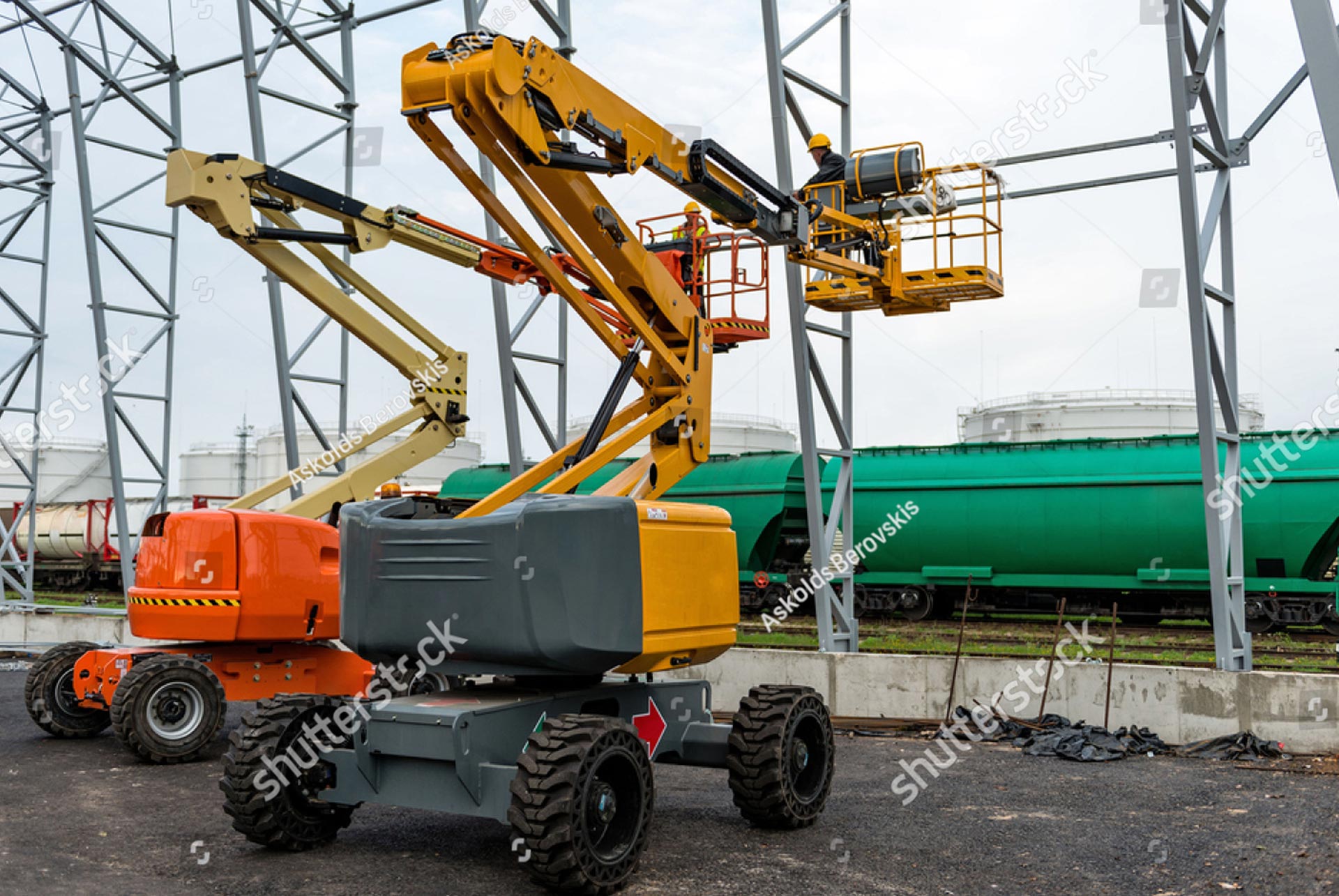
The main certification required to operate different types of EWPs is the EWP Operator Licence, commonly known as a Yellow Card. This licence is granted by the Elevated Work Platform Association of Australia (EWPA). Covers various classes of EWPs such as Vertical Lifts (VL) Scissor Lifts (SL) Self Propelled Booms (BL) Trailer Mounted Booms (TL) and Truck Mounted Booms (TM). The process for obtaining a Yellow Card involves completing a training course that includes both learning and hands on practice. This training ensures that operators have the skills to operate EWPs safely including managing emergencies and conducting regular maintenance checks.


White Card Required for Construction Site Work


Apart from the Yellow Card, operators in Queensland and other states across Australia are also required to possess a construction induction card commonly referred to as a White Card. This certification is essential for individuals working at construction sites in Australia ensuring compliance with health and safety laws to prevent workplace accidents. The White Card training covers safety protocols and awareness of risks involved in construction tasks including operating equipment like Elevated Work Platforms (EWPs).


11m+ in Height Requires a Specialised Licence


For EWPs exceeding 11 meters in height a specialised High Risk Work Licence (HRWL) is necessary. This license is overseen by WorkSafe in Queensland. Equivalent authorities in other regions. To acquire an HRWL operators must complete a training program and pass a stringent evaluation conducted by an accredited assessor. The HRWL signifies the operators proficiency in handling high risk situations and machinery.


Furthermore Queensland has safety guidelines and training prerequisites that must be satisfied. These requirements involve compliance, with the Work Health and Safety Regulation 2011 focusing on risk assessment and management procedures tailored to EWPs. Operators need to be trained not in operating these platforms mechanically but also in identifying hazards and employing risk mitigation strategies to enhance workplace safety.


The significance of these certifications cannot be emphasised enough. It is essential to ensure that EWP operators are well prepared for their job requirements and have an understanding of safety protocols to keep themselves and others safe. With the paced growth in construction and infrastructure projects in Queensland and throughout Australia having skilled EWP operators is crucial. These certifications establish a level of expertise and safety awareness in the industry leading to fewer workplace incidents and increased productivity.


By making these certifications mandatory, authorities in Australia and Queensland demonstrate their dedication to workplace safety and the welfare of workers. These actions promote a safety culture that goes beyond compliance encouraging operators to stay updated on best practices and new safety advancements in EWP operations. Whether they are working on construction sites, warehouses or infrastructure developments these certifications offer a knowledge base, on safety that benefits not only individual operators but also the wider community and economy.


For a comprehensive EWP Ticket training course in Brisbane call EDB Training Services:


Contact Us
22 April 2026
Can You Fail a Forklift Licence Course in Queensland? If you’re thinking about enrolling in a forklift course, one of the most common questions we hear is: “Can I actually fail the forklift licence?” The short answer is yes—but it’s not something you need to worry about if you’re properly prepared and trained. At EDB Training Services, we’ve been delivering forklift training in Queensland for many years, and we design our courses to help you succeed. Understanding how the process works—and what assessors are looking for—can make a big difference to your confidence and performance on the day. Understanding the Forklift Licence Process in Queensland To legally operate a forklift in Queensland, you must obtain a High Risk Work Licence (LF class). This involves completing a formal training course with a Registered Training Organisation (RTO) like EDB Training Services, followed by an assessment conducted by a licensed assessor. The course typically includes: Theory training (safety, legislation, load handling) Practical training (operating the forklift) A formal assessment (knowledge + practical demonstration) It’s important to understand that the assessment is not designed to trick you—it’s there to ensure you can operate a forklift safely and competently in a real workplace. Yes, You Can Fail—But Here’s the Real ity While it is possible to fail a forklift licence course, most students who actively participate in training and listen to their trainer pass successfully. Failures usually occur for one of three reasons:  Lack of preparation Unsafe operation during assessment Not understanding the theory component The key point is this: the system is designed to support learning. If you don’t meet the required standard on your first attempt, you’re typically given feedback and an opportunity to improve. What Are You Assessed On? The forklift licence assessment is broken into two main parts: theory and practical. 1. Theory Assessment This is usually a written or verbal test that covers: Workplace health and safety requirements Hazard identification Load stability principles Safe operating procedures You don’t need to be an academic to pass this section. The content is covered during your training, and our trainers make sure you understand it before moving forward. 2. Practical Assessment This is where you demonstrate your ability to safely operate a forklift. You’ll be assessed on tasks such as: Conducting a pre-operational inspection Starting and shutting down the forklift correctly Picking up, moving, and placing loads Maintaining control and awareness at all times Assessors are looking for safe, controlled operation , not speed or perfection. Common Reasons People Fail the Forklift Assessment Understanding what can go wrong is one of the best ways to avoid it. Here are the most common reasons students don’t pass on their first attempt. Unsafe Driving Practices This is the biggest one. If you operate the forklift in a way that could cause harm—such as driving too fast, not checking surroundings, or mishandling a load—you may be stopped immediately. Poor Load Handling Incorrectly lifting, tilting, or placing a load can lead to failure. Load stability is a critical part of forklift operation. Skipping Safety Checks Failing to complete a proper pre-start inspection or ignoring safety procedures can result in not meeting the required standard. Lack of Confidence Some students actually know what to do but become nervous during the assessment. This can lead to hesitation or mistakes. Not Understanding Instructions Misinterpreting what the assessor is asking can impact your performance. Listening carefully is key. How to Make Sure You Pass First Time The good news is that passing your forklift licence is very achievable if you take the right approach. 1. Choose the Right Training Provider Training quality matters. At EDB Training Services, we focus on practical, easy-to-understand instruction so you feel prepared before assessment day. 2. Ask Questions During Training If you’re unsure about anything, ask. It’s far better to clarify during training than guess during the assessment. 3. Take Safety Seriously Everything comes back to safety. If you focus on operating the forklift safely, you’re already on the right track. 4. Stay Calm During the Assessment Nerves are normal, but try to treat the assessment like another training session. You’ve already practised the tasks. 5. Follow the Process Step-by-Step Don’t rush. Assessors are looking for control and consistency, not speed. What Happens If You Do Fail? Failing isn’t the end of the road—it’s simply part of the learning process for some students. If you don’t pass: You’ll receive feedback on what went wrong You may be given additional training You can reattempt the assessment At EDB Training Services, we work with you to ensure you understand what needs improvement so you can succeed on your next attempt. Is the Forklift Course Difficult? For most people, the course is very manageable. You don’t need prior experience, and everything is taught from the ground up. The course is designed for beginners, which means: No previous forklift experience is required Training is structured step-by-step You get hands-on practice before assessment As long as you’re willing to learn and follow instructions, there’s no reason you can’t pass. Why the Assessment Standards Matter It’s worth remembering that forklift operation carries real risks if done incorrectly. The assessment exists to ensure that anyone operating a forklift can do so safely in a workplace environment. By maintaining these standards, employers can trust that licensed operators: Understand workplace safety requirements Can handle loads correctly Are aware of their surroundings Reduce the risk of accidents This is why assessors take safety so seriously—and why your training is focused on building those habits. The Role of Training in Your Success Your success in the forklift licence assessment is heavily influenced by the quality of your training. At EDB Training Services, we: Break down each task into simple steps Provide hands-on practice in a controlled environment Give clear, practical feedback Ensure you are ready before assessment Our goal is not just to get you through the course, but to help you become a safe and confident operator. Yes, you can fail a forklift licence course in Queensland—but for most students, it’s completely avoidable. With the right training, preparation, and mindset, passing your assessment is very achievable. The key is to focus on safety, listen to your trainer, and approach the assessment with confidence. Remember, the process is designed to support you, not catch you out. If you’re considering getting your forklift licence, we’re here to guide you every step of the way. With experienced trainers, practical instruction, and a strong focus on real-world skills, we help you build the confidence needed to succeed—not just in the assessment, but in the workplace as well.
23 March 2026
Find out how to get your forklift licence funded in Queensland. EDB Training Services explains the Career Start program, employer funding options, and how Certificate III in Supply Chain Operations can cover your costs.
by Justine Barber 8 September 2025
Ensure Safety is Number 1 With a Daily EWP Check
by Justine Barber 9 June 2025
Increase Your Knowledge About Getting a White Card in QLD
by Justine Barber 25 April 2025
Improve Your Knowledge About Getting a White Card in Brisbane
by Justine Barber 8 April 2025
Don't Forget Your White Card for Your Next Construction Job
by Justine Barber 7 April 2025
This is a subtitle for your new post
by Justine Barber 31 March 2025
Improve Your Construction Industry Safety Knowledge
by Justine Barber 18 November 2024
Everything you need to know about how to keep your forklift load stable and create a safe working environment.
by Justine Barber 19 September 2024
All Your White Card Queensland Questions Answered Here