Where Can a Forklift Licence Take You?
This is a subtitle for your new post
Career Pathways in Warehousing, Transport, and Logistics: Where Can a Forklift Licence Take You?
The Australian warehousing, transport and logistics industries continue to offer excellent employment opportunities for people looking to start a new career or improve their existing skills. With the growth of online shopping, manufacturing, construction and distribution, businesses need qualified workers who can safely move, store and transport goods every day. One of the most valuable qualifications you can obtain when entering these industries is a forklift licence.
While many people think a forklift licence simply allows them to drive a forklift, the reality is far more exciting. It can become the foundation for a rewarding career with opportunities to progress into supervisory, management and specialist logistics roles. Whether you are entering the workforce for the first time, changing careers or looking to improve your employment prospects, completing accredited forklift training can open the door to a wide range of career opportunities.
Why Warehousing and Logistics Are Growing Industries
Australia's economy depends heavily on the efficient movement of goods. Every supermarket shelf, construction site, retail store and manufacturing business relies on warehouses and transport networks to receive, store and distribute products.
The rapid growth of e-commerce has also increased demand for warehouse workers and forklift operators. Consumers now expect fast deliveries, meaning businesses need highly organised warehouses that can move products quickly and safely.
At the same time, Australia's construction, mining and manufacturing industries continue to require experienced material handling professionals to keep projects operating efficiently.
This consistent demand makes warehousing and logistics one of Australia's most stable employment sectors.
Why Employers Value a Forklift Licence
Employers want staff who can contribute immediately while maintaining high safety standards. Holding a forklift licence demonstrates that you have completed nationally recognised training and understand the safe operation of forklift equipment.
A qualified forklift operator understands:
- Safe operating procedures
- Load handling techniques
- Workplace health and safety requirements
- Hazard identification
- Equipment inspections
- Safe stacking and storage methods
- Risk management around pedestrians and other vehicles
These skills reduce workplace accidents while improving productivity, making qualified operators valuable employees.
Entry-Level Positions After Completing Forklift Training
Many people begin their careers in entry-level warehouse positions before progressing into more specialised roles.
Common starting positions include:
Warehouse Assistant
Warehouse assistants help receive incoming stock, prepare outgoing deliveries and organise inventory. A forklift licence allows you to move pallets safely and assist with loading and unloading trucks.
Forklift Operator
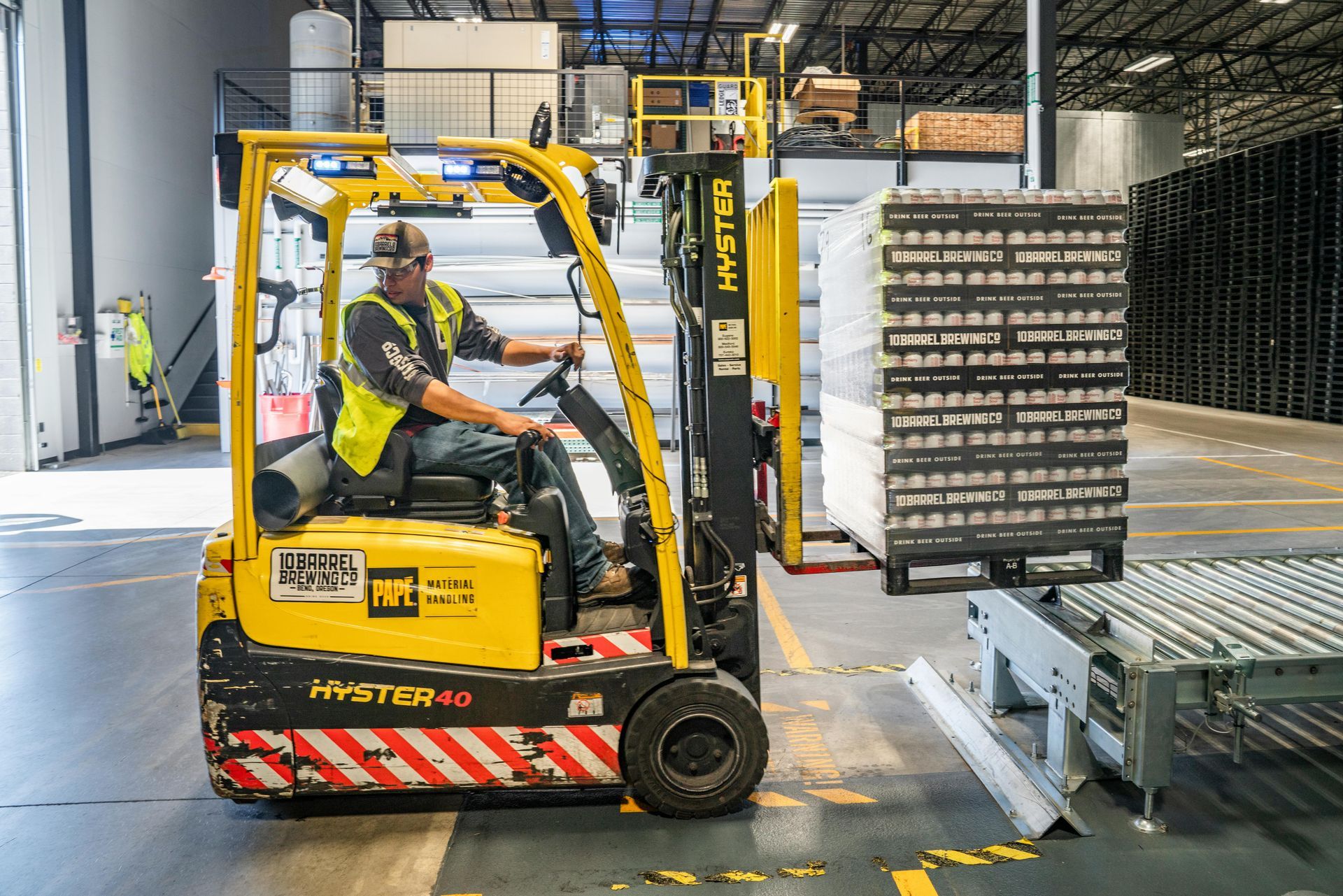
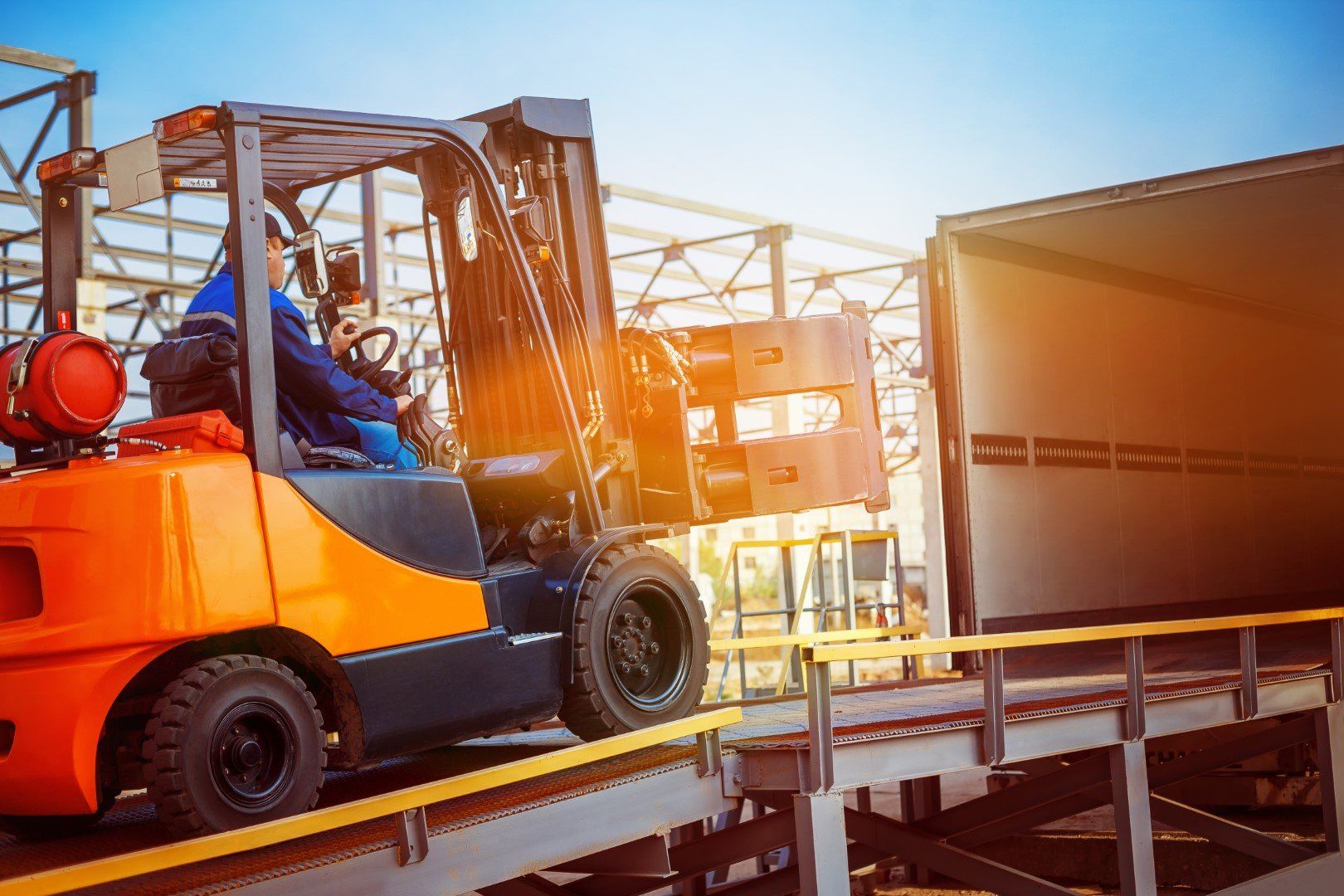
This is one of the most common career paths after obtaining a forklift licence. Operators work in warehouses, freight companies, construction sites, manufacturing facilities and distribution centres.
Daily duties may include:
- Loading trucks
- Unloading deliveries
- Moving pallets
- Organising warehouse stock
- Transporting materials
- Conducting safety inspections
Storeperson
Storepersons manage inventory while ensuring products are stored correctly and efficiently. Many employers prefer applicants who already hold a forklift licence because it increases flexibility within the workplace.
Pick Packer
Although picking and packing may not always require forklift operation, many larger warehouses prefer staff who can perform multiple tasks. Having a forklift licence often makes applicants more competitive.
Industries That Need Forklift Operators
One of the biggest advantages of obtaining a forklift licence is that your skills are transferable across many industries.
Warehousing
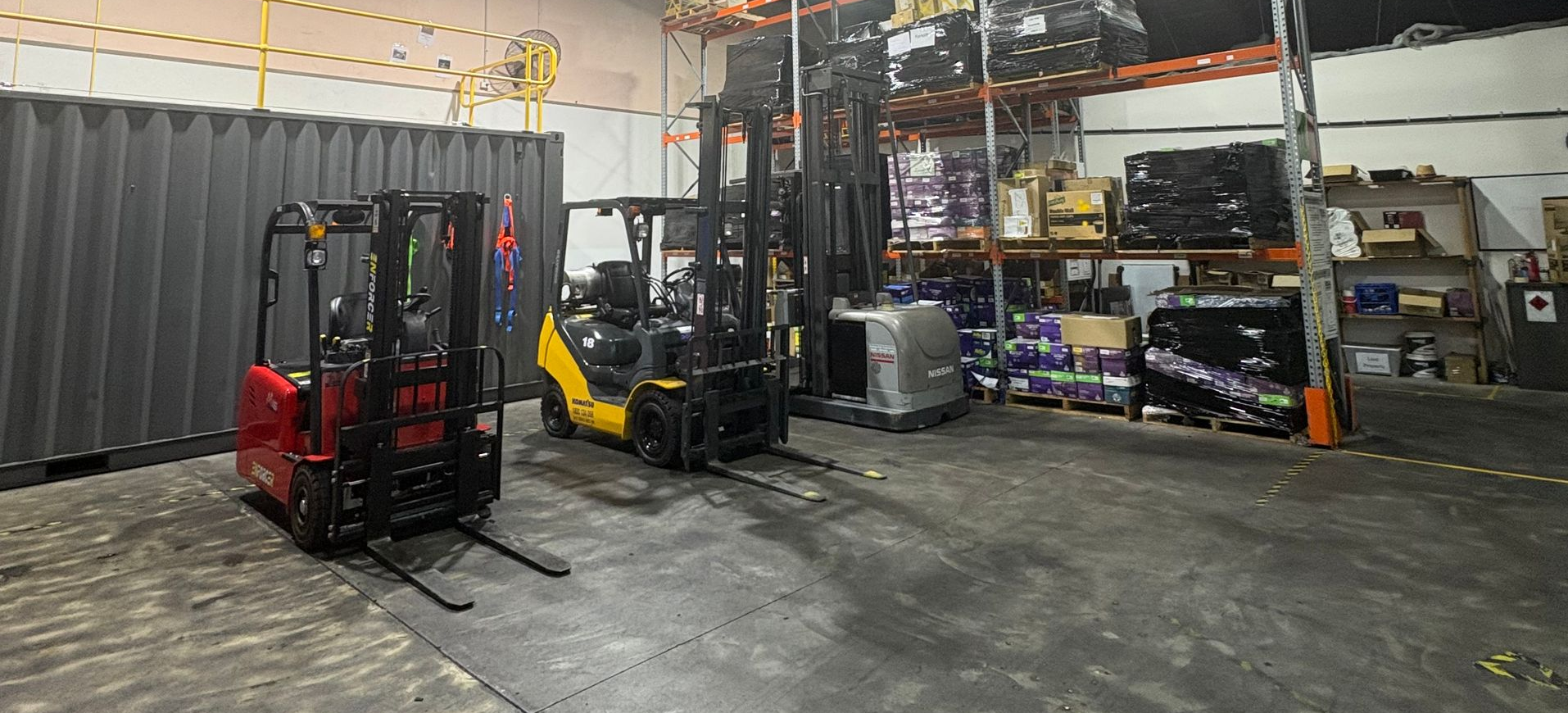
Distribution centres rely on forklift operators to move inventory safely and efficiently.
Retail Distribution
Large retailers require experienced operators to manage stock arriving from suppliers before products are sent to individual stores.
Manufacturing
Factories regularly move raw materials, finished products and machinery components using forklifts.
Construction
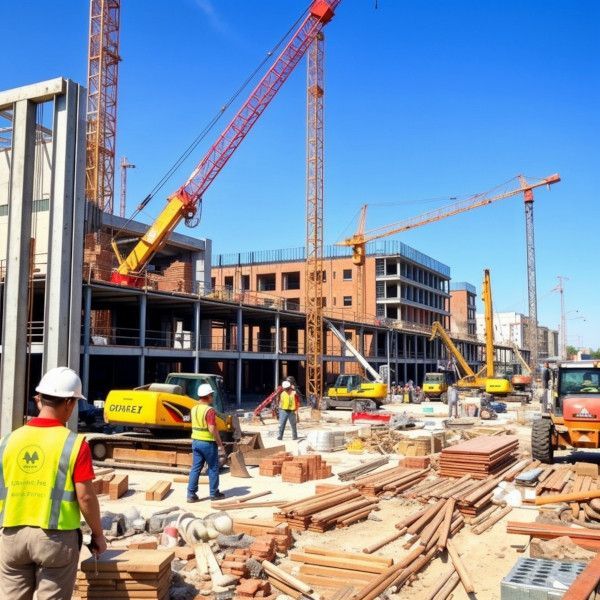
Construction sites frequently use forklifts to transport building materials, pallets, scaffolding and equipment.
Transport and Freight
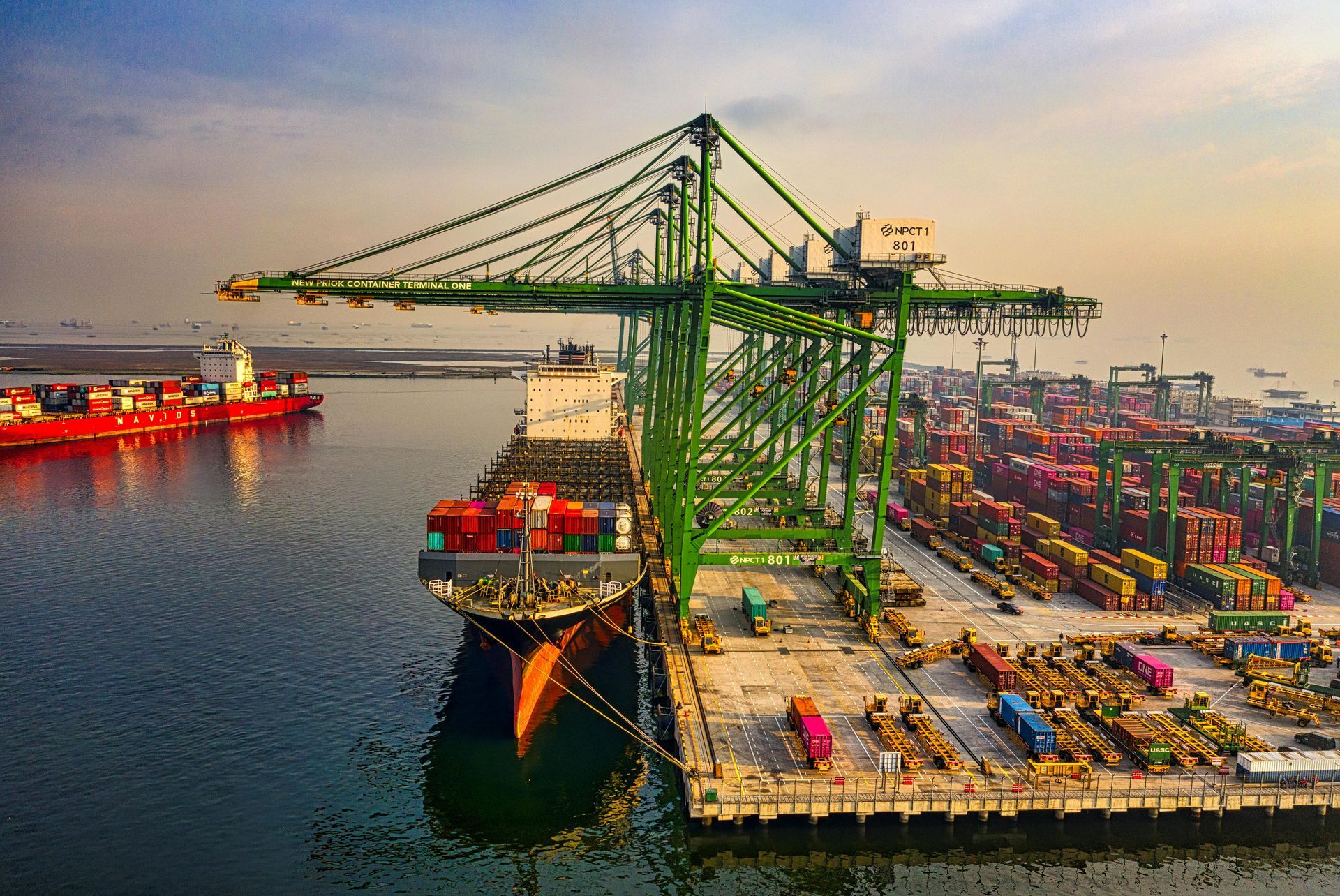
Freight companies require licensed forklift operators to load and unload trucks while ensuring cargo remains secure during transport.
Agriculture
Many agricultural businesses use forklifts to move produce, fertiliser, equipment and packaged goods.
Career Progression Opportunities
A forklift licence is often just the beginning of a rewarding career. With experience and additional training, many workers progress into higher-paying positions.
Senior Forklift Operator
Experienced operators often become responsible for mentoring new staff, coordinating loading activities and ensuring safe operating procedures are followed.
Warehouse Team Leader
Team leaders supervise warehouse staff while coordinating daily operations, managing workflow and ensuring productivity targets are met.
Warehouse Supervisor
Supervisors oversee larger teams, manage inventory systems, organise staffing requirements and implement workplace safety procedures.
Logistics Coordinator
Logistics coordinators manage product movement between suppliers, warehouses and customers. Strong warehouse knowledge provides an excellent foundation for this role.
Operations Manager
Many senior managers within logistics businesses began their careers working on warehouse floors. Their practical understanding of warehouse operations helps them make informed business decisions.
Skills That Employers Want
Although holding a forklift licence is important, employers also value personal qualities that contribute to an efficient workplace.
These include:
- Reliability
- Punctuality
- Strong communication
- Teamwork
- Positive attitude
- Safety awareness
- Attention to detail
- Problem-solving skills
- Willingness to learn
Combining these qualities with recognised qualifications can significantly improve your employment opportunities.
The Importance of Workplace Safety
Safety is central to every warehouse, transport and logistics workplace.
Forklifts are powerful machines that require skilled operation to prevent injuries and property damage.
Professional forklift training teaches operators how to:
- Inspect equipment before use
- Identify workplace hazards
- Understand load capacities
- Operate safely around pedestrians
- Stack loads correctly
- Respond to emergencies
- Comply with Australian workplace safety requirements
Employers appreciate workers who place safety first because it protects both people and business operations.
Additional Qualifications That Can Expand Your Career
Once you have obtained your forklift licence, you may wish to continue building your qualifications.
Additional training may include:
- White Card
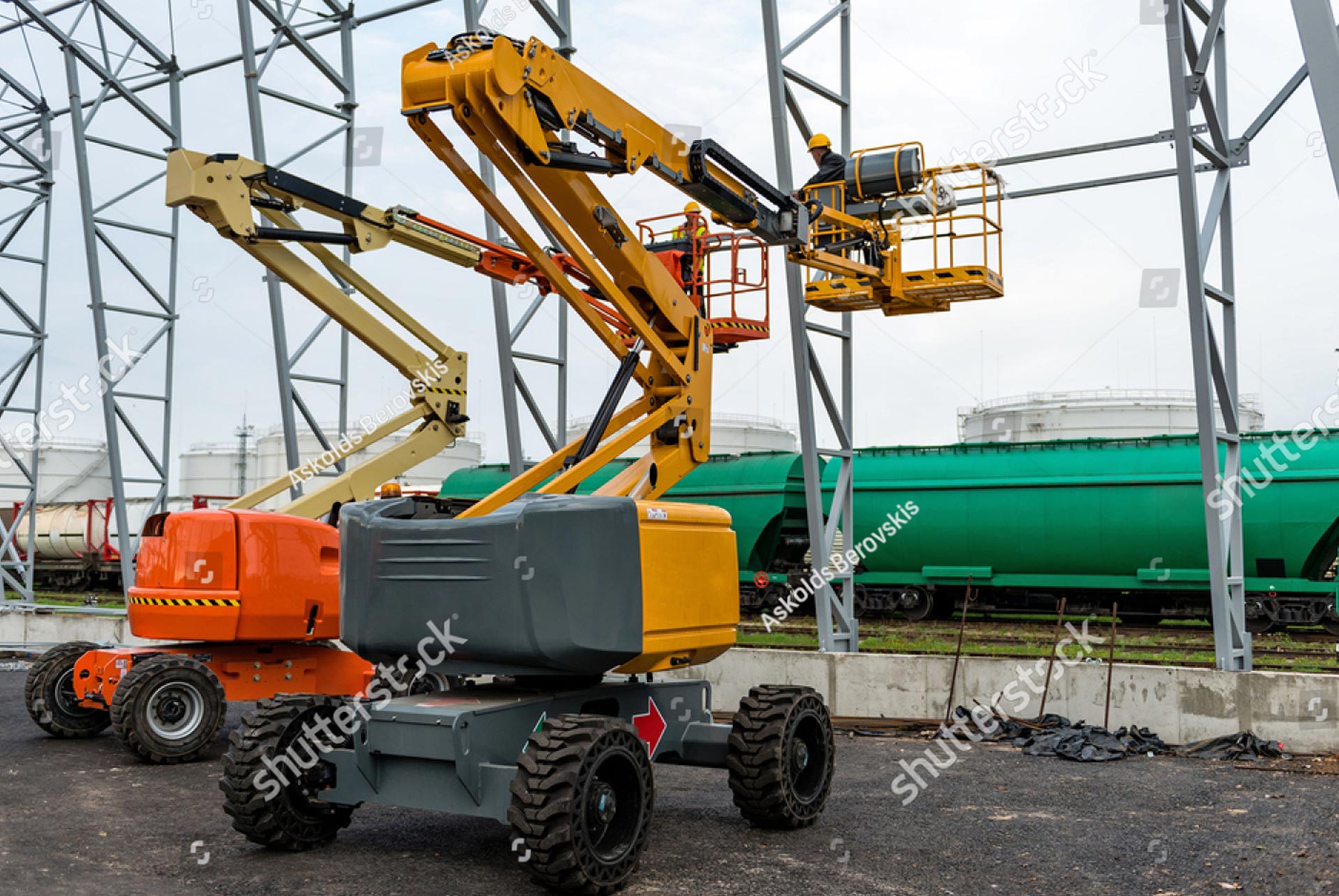
- Elevated Work Platform (EWP)
- First Aid
- Working at Heights
- Traffic Management
- Warehouse and Logistics qualifications
- Certificate III in Supply Chain Operations
- Leadership and supervisory courses
Each qualification broadens your employment opportunities while increasing your long-term earning potential.
What Employers Look For During Recruitment
When hiring warehouse staff, employers often consider more than previous experience.
Many are willing to employ people who demonstrate:
- A current forklift licence
- Commitment to workplace safety
- Strong work ethic
- Good communication skills
- Ability to work as part of a team
- Willingness to learn new systems
- Flexibility with shifts and responsibilities
For job seekers with limited experience, recognised training can help demonstrate these qualities during the recruitment process.
Why Choose Accredited Forklift Training?
Choosing a reputable Registered Training Organisation (RTO) ensures you receive nationally recognised training delivered by experienced trainers.
Quality training focuses on both practical skills and the knowledge required to operate safely in real workplace environments.
The confidence gained during professional training helps graduates enter the workforce better prepared for their first day on the job.
Building a Long-Term Career
Many people underestimate the career opportunities available within warehousing and logistics. What begins as an entry-level forklift operator position can develop into a long-term profession with increasing responsibility, better salaries and leadership opportunities.
Australia's freight, warehousing and distribution industries are expected to remain essential parts of the economy for many years to come. Businesses will continue to need skilled workers who understand safety, efficiency and teamwork.
Investing in recognised training today can provide the skills needed to enter an industry with genuine career progression and long-term employment prospects.
Start Your Journey Today
A forklift licence is far more than a qualification to operate machinery. It can be the first step towards a rewarding career across warehousing, transport, logistics, manufacturing and construction.
Whether your goal is to secure your first warehouse position, improve your employment opportunities or build a long-term career in logistics, accredited forklift training provides valuable practical skills that employers actively seek.
With the right training, a commitment to workplace safety and a willingness to continue learning, your forklift licence can become the foundation for a successful and rewarding future.
Contact EDB Training Services today to learn more about our nationally recognised forklift training courses and take the next step towards your new career.