What Career Opportunites are There After Completing a Certificate III in Supply Chain Operations?
Jobs Abound with a Certificate III in Supply Chain Operations
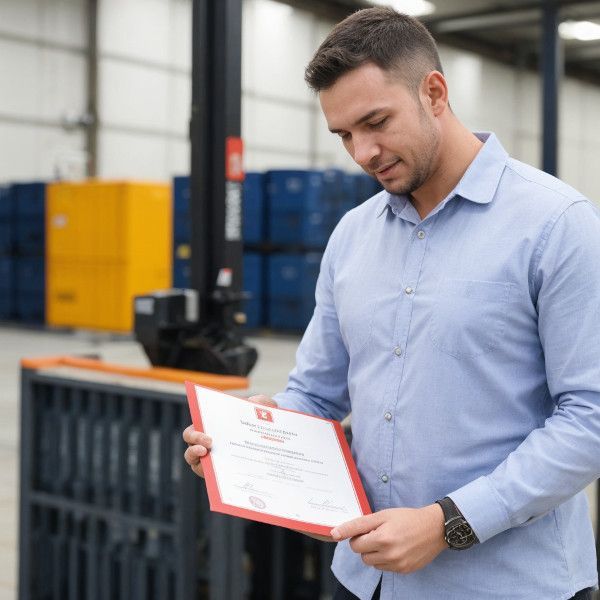
Completing a Certificate III in Supply Chain Operations in Australia opens up a range of career opportunities across industries. This certification provides individuals with skills and knowledge in logistics, procurement and warehouse operations preparing them for dynamic roles within the supply chain sector. In this blog post we'll delve into the career paths that graduates can explore, the potential for advancement in their careers and the industries in Australia that have a high demand for supply chain professionals.
Starting Positions in Supply Chain Operations
Individuals holding a Certificate III in Supply Chain Operations have the option to pursue entry level positions that act as stepping stones into the supply chain industry. These roles offer hands on experience and foundational knowledge for further career growth.
Warehouse Storeperson- A warehouse storeperson is a starting position for certificate holders. Warehouse Storepeople are responsible for managing goods within a warehouse setting by handling shipments fulfilling orders and maintaining inventory accuracy. This role provides exposure to supply chain processes and is key to understanding logistics operations.
Stock Control Clerk - Stock control clerks play a role in overseeing stock levels and ensuring product availability when required.
They keep track of the movement of inventory, conduct stock counts and establish systems for controlling inventory to reduce discrepancies. This role demands attention to detail and analytical abilities making it a great starting point for those iinterested in managing inventory.
Logistics Support Officers - Logistics support officers supervise the flow of goods from suppliers to customers ensuring cost efficient delivery. They work closely with transportation providers, monitor shipments and address any issues that may arise during transit. Effective organisational skills and communication are essential for this role as logistics support officers must collaborate with all parties to ensure smooth operations in the supply chain.
Procurement Assistants - Procurement assistants assist the procurement department by identifying suppliers obtaining price quotes and handling purchase orders. They play a role in nurturing supplier relationships and ensuring that the organisation procures goods and services at competitive prices without compromising quality. This position is suited for individuals interested in procurement and sourcing within supply chain management.
Opportunities for Career Growth with Cert III in Supply Chain Operations
Completing the Certificate III in Supply Chain Operations not opens doors to the industry but also paves the way for career progression. With experience and continued education graduates can advance to higher level positions, with increased responsibilities and leadership roles.
Supply Chain Analyst
Professionals in the field of supply chain analysis leverage data to enhance the performance of supply chains. They examine metrics, pinpoint areas of inefficiency and devise strategies to boost efficiency and cut costs. This role demands analytical abilities and proficiency in utilising data analysis tools making it an ideal fit for individuals who thrive on working with numbers and solving complex problems.
Operations Manager
Operations managers are responsible for overseeing the day to day operations of supply chain functions to ensure efficient processes. They lead teams, establish protocols and drive continuous improvement efforts. This position calls for leadership skills and the capacity to make decisions, offering a pathway to senior management roles within the realm of supply chain management.
Procurement Manager
Procurement managers play a role in shaping an organisations procurement strategy and managing supplier relationships. They negotiate contracts, manage procurement budgets and uphold adherence to procurement guidelines. This role requires an understanding of procurement procedures as well as adept negotiation skills presenting avenues for significant career progression within the fields of supply chain management and procurement.
Logistics Manager
Logistics managers oversee all facets of the logistics process encompassing transportation, warehousing, distribution and delivery. They formulate logistics strategies supervise logistics teams and ensure deliveries within budget constraints. This position demands an understanding of logistics operations and effective leadership skills providing a pathway to senior management roles within the supply chain.
Industry Demand for Supply Chain Experts with Cert III in Supply Chaion Operations
There is a demand for proficient supply chain professionals in various sectors in Australia fueled by the necessity for streamlined and efficient supply chain processes. Graduates holding a Certificate III in Supply Chain Operations can explore opportunities in industries including:
Retail and Online Shopping
Efficient supply chain operations play a role in meeting customer needs and staying competitive in the retail and e commerce sectors. Professionals in these fields oversee inventory management and coordinate shipments. Ensure prompt delivery to customers. The rise of online shopping has further heightened the need for logistics and supply chain expertise across Australia.
Manufacturing Sector
Manufacturing companies rely on organised supply chains to source raw materials, manage production workflows and distribute finished goods. Supply chain roles within manufacturing involve collaborating with suppliers optimising production schedules and ensuring product delivery to customers. The manufacturing industry provides opportunities for supply chain professionals to contribute to operational excellence.
Healthcare and Pharmaceutical Fields
The healthcare and pharmaceutical sectors depend on precise and dependable supply chain processes to maintain supplies of medical equipment and medications. Professionals in these fields oversee the purchasing, storage and transportation of healthcare items. The significance of maintaining a healthcare supply chain has been highlighted by global events like the COVID 19 pandemic emphasising the need for competent individuals.
Food and Beverage Industry
In the food and beverage industry efficient supply chains are crucial for handling goods and meeting strict quality standards. Roles in this sector involve managing ingredient movements overseeing inventory levels and ensuring deliveries to retailers and consumers. The intricate nature of food supply chains presents challenges and opportunities for professionals in this field.
Technology and Electronics
The technology and electronics sectors rely on supply chains for sourcing components, production processes and product distribution. Professionals in these industries focus on optimising inventory levels, reducing lead times and guaranteeing prompt product deliveries to the market. Given the pace of technological advancements innovative supply chain solutions are essential providing opportunities for skilled professionals.
For individuals looking to progress in their careers pursuing additional qualifications and professional development can prove highly advantageous. Consider enrolling in a Certificate IV in Logistics or a Diploma of Supply Chain Management. Even pursuing a Bachelor’s degree in Logistics and Supply Chain Management to expand your skill set. Additionally taking development courses and obtaining certifications from reputable organisations like the Australian Logistics Council (ALC) or the Chartered Institute of Procurement and Supply (CIPS) can boost your career prospects.
Networking to Build Your Industry Profile
Building connections through networking and participating in industry associations can have an impact on your professional advancement. Engaging with groups such as the Supply Chain and Logistics Association of Australia (SCLAA) or the Australian Institute of Packaging (AIP) offers opportunities to network with industry peers, stay informed about industry developments and access resources for growth. Attending industry events like conferences, workshops and seminars can also provide insights to help you progress in your career.
By completing a Certificate III in Supply Chain Operations you open doors to diverse career paths across sectors within Australia. Starting from entry level roles like warehouse assistant or inventory clerk to advanced positions such as supply chain analyst or logistics manager, graduates have the chance to establish fulfilling careers in supply chain management. The increasing demand for professionals in supply chain roles across industries like retail, manufacturing, healthcare, food and beverage and technology underscores the significance of this field and its potential, for career progression.
Upon completing this qualification individuals acquire the expertise and understanding necessary to effectively manage supply chain operations and play a pivotal role in advancing their organisations. Continuing education and active involvement in groups can significantly boost career opportunities establishing the supply chain sector as a lucrative avenue, for ambitious professionals.
To peruse this lucrative career path contact EDB Training Services who can complete training at our facility or onsite at yourplace of employment.