22 April 2026
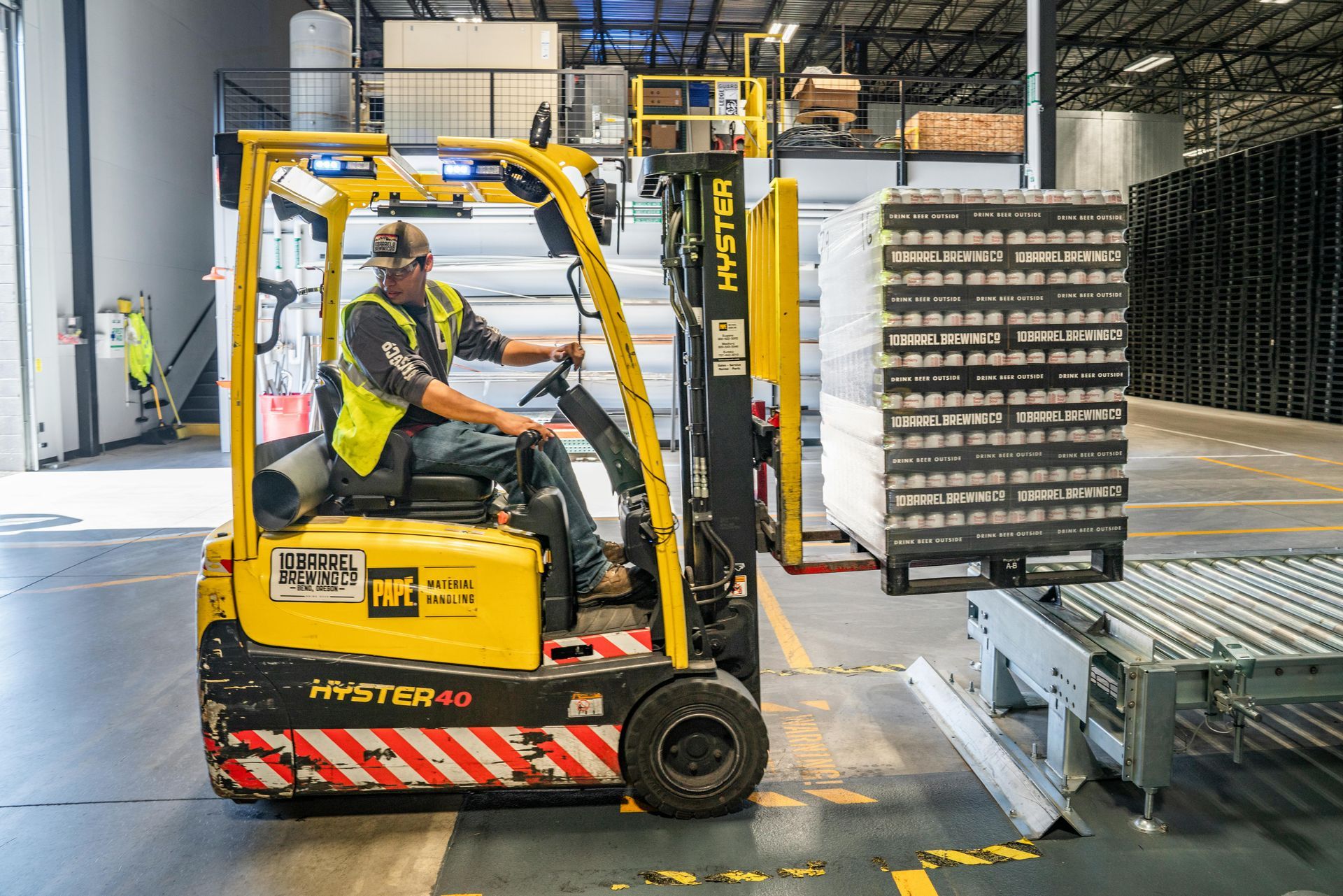
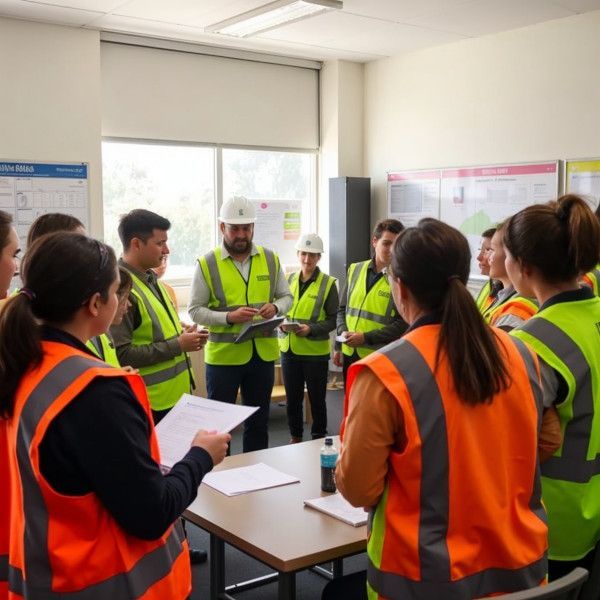
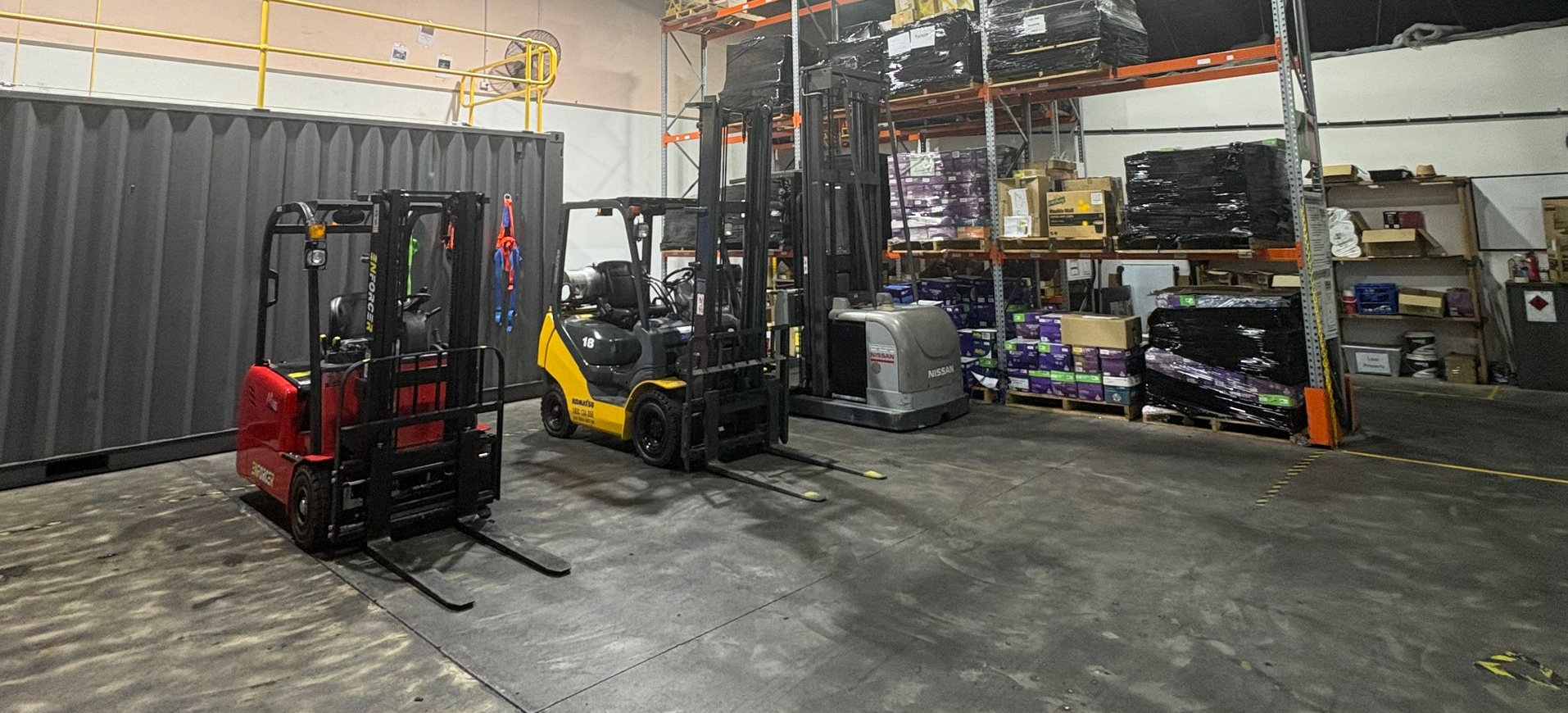
Can You Fail a Forklift Licence Course in Queensland? If you’re thinking about enrolling in a forklift course, one of the most common questions we hear is: “Can I actually fail the forklift licence?” The short answer is yes—but it’s not something you need to worry about if you’re properly prepared and trained. At EDB Training Services, we’ve been delivering forklift training in Queensland for many years, and we design our courses to help you succeed. Understanding how the process works—and what assessors are looking for—can make a big difference to your confidence and performance on the day. Understanding the Forklift Licence Process in Queensland To legally operate a forklift in Queensland, you must obtain a High Risk Work Licence (LF class). This involves completing a formal training course with a Registered Training Organisation (RTO) like EDB Training Services, followed by an assessment conducted by a licensed assessor. The course typically includes: Theory training (safety, legislation, load handling) Practical training (operating the forklift) A formal assessment (knowledge + practical demonstration) It’s important to understand that the assessment is not designed to trick you—it’s there to ensure you can operate a forklift safely and competently in a real workplace. Yes, You Can Fail—But Here’s the Real ity While it is possible to fail a forklift licence course, most students who actively participate in training and listen to their trainer pass successfully. Failures usually occur for one of three reasons: Lack of preparation Unsafe operation during assessment Not understanding the theory component The key point is this: the system is designed to support learning. If you don’t meet the required standard on your first attempt, you’re typically given feedback and an opportunity to improve. What Are You Assessed On? The forklift licence assessment is broken into two main parts: theory and practical. 1. Theory Assessment This is usually a written or verbal test that covers: Workplace health and safety requirements Hazard identification Load stability principles Safe operating procedures You don’t need to be an academic to pass this section. The content is covered during your training, and our trainers make sure you understand it before moving forward. 2. Practical Assessment This is where you demonstrate your ability to safely operate a forklift. You’ll be assessed on tasks such as: Conducting a pre-operational inspection Starting and shutting down the forklift correctly Picking up, moving, and placing loads Maintaining control and awareness at all times Assessors are looking for safe, controlled operation , not speed or perfection. Common Reasons People Fail the Forklift Assessment Understanding what can go wrong is one of the best ways to avoid it. Here are the most common reasons students don’t pass on their first attempt. Unsafe Driving Practices This is the biggest one. If you operate the forklift in a way that could cause harm—such as driving too fast, not checking surroundings, or mishandling a load—you may be stopped immediately. Poor Load Handling Incorrectly lifting, tilting, or placing a load can lead to failure. Load stability is a critical part of forklift operation. Skipping Safety Checks Failing to complete a proper pre-start inspection or ignoring safety procedures can result in not meeting the required standard. Lack of Confidence Some students actually know what to do but become nervous during the assessment. This can lead to hesitation or mistakes. Not Understanding Instructions Misinterpreting what the assessor is asking can impact your performance. Listening carefully is key. How to Make Sure You Pass First Time The good news is that passing your forklift licence is very achievable if you take the right approach. 1. Choose the Right Training Provider Training quality matters. At EDB Training Services, we focus on practical, easy-to-understand instruction so you feel prepared before assessment day. 2. Ask Questions During Training If you’re unsure about anything, ask. It’s far better to clarify during training than guess during the assessment. 3. Take Safety Seriously Everything comes back to safety. If you focus on operating the forklift safely, you’re already on the right track. 4. Stay Calm During the Assessment Nerves are normal, but try to treat the assessment like another training session. You’ve already practised the tasks. 5. Follow the Process Step-by-Step Don’t rush. Assessors are looking for control and consistency, not speed. What Happens If You Do Fail? Failing isn’t the end of the road—it’s simply part of the learning process for some students. If you don’t pass: You’ll receive feedback on what went wrong You may be given additional training You can reattempt the assessment At EDB Training Services, we work with you to ensure you understand what needs improvement so you can succeed on your next attempt. Is the Forklift Course Difficult? For most people, the course is very manageable. You don’t need prior experience, and everything is taught from the ground up. The course is designed for beginners, which means: No previous forklift experience is required Training is structured step-by-step You get hands-on practice before assessment As long as you’re willing to learn and follow instructions, there’s no reason you can’t pass. Why the Assessment Standards Matter It’s worth remembering that forklift operation carries real risks if done incorrectly. The assessment exists to ensure that anyone operating a forklift can do so safely in a workplace environment. By maintaining these standards, employers can trust that licensed operators: Understand workplace safety requirements Can handle loads correctly Are aware of their surroundings Reduce the risk of accidents This is why assessors take safety so seriously—and why your training is focused on building those habits. The Role of Training in Your Success Your success in the forklift licence assessment is heavily influenced by the quality of your training. At EDB Training Services, we: Break down each task into simple steps Provide hands-on practice in a controlled environment Give clear, practical feedback Ensure you are ready before assessment Our goal is not just to get you through the course, but to help you become a safe and confident operator. Yes, you can fail a forklift licence course in Queensland—but for most students, it’s completely avoidable. With the right training, preparation, and mindset, passing your assessment is very achievable. The key is to focus on safety, listen to your trainer, and approach the assessment with confidence. Remember, the process is designed to support you, not catch you out. If you’re considering getting your forklift licence, we’re here to guide you every step of the way. With experienced trainers, practical instruction, and a strong focus on real-world skills, we help you build the confidence needed to succeed—not just in the assessment, but in the workplace as well.